What’s inside
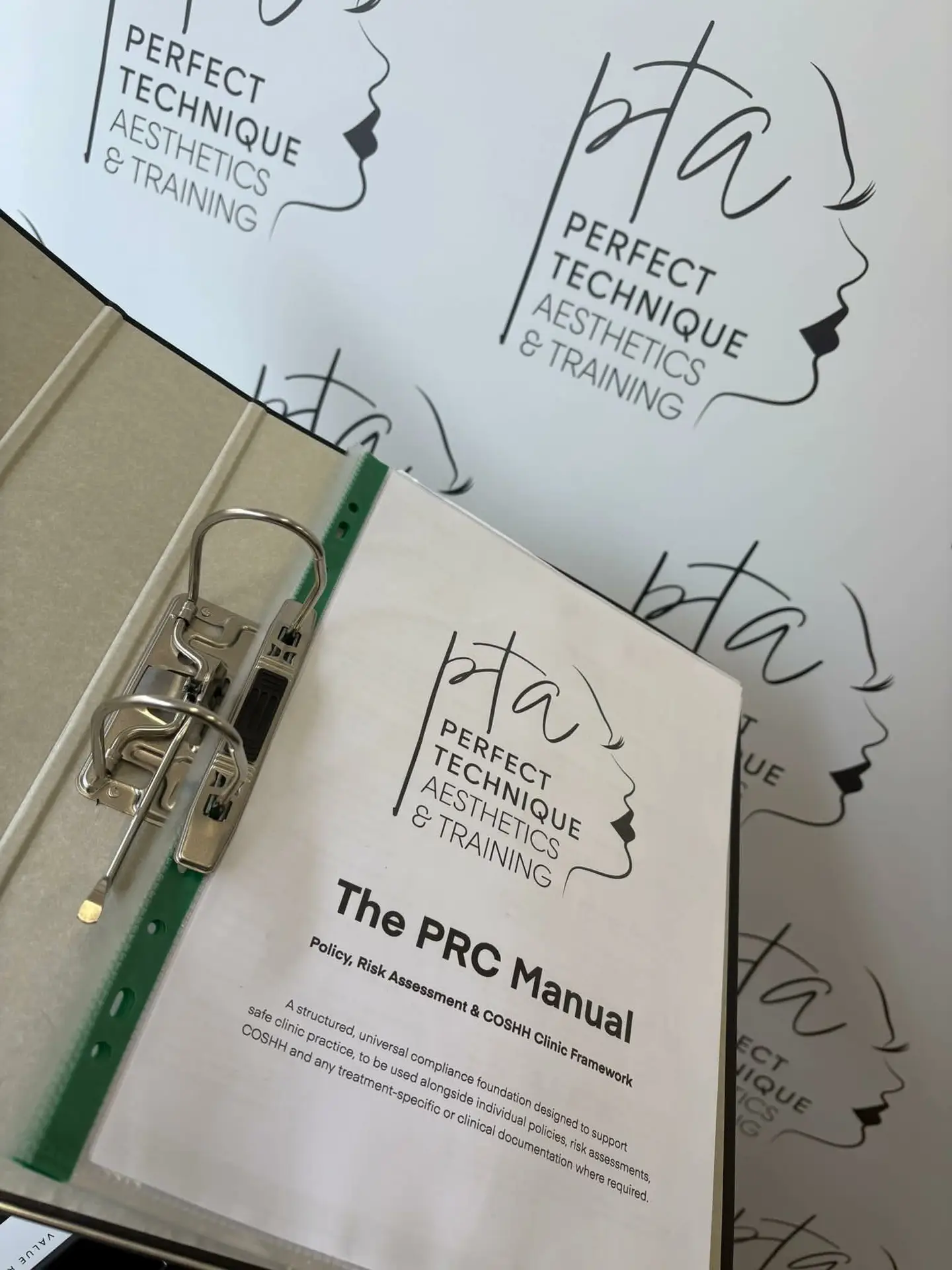
This manual has been created as a detailed reference for one of the most important areas of aesthetic practice: recognising when treatment may not be appropriate, understanding factors that can increase risk, and identifying potential complications associated with aesthetic procedures.The content goes considerably further than a simple contraindications list. It is divided into 12 comprehensive sections, taking the practitioner from the foundations of contraindication screening through medical and skin conditions, medications, lifestyle and treatment timing, before moving into common and injectable-specific complications and complication management.
01
Foundations of Safety & Contraindication Screening
The manual begins by establishing the principles behind safe treatment decisions.Topics include understanding contraindications, absolute versus relative contraindications, temporary versus permanent contraindications, consultation risk assessment, medical-history screening, identifying high-risk clients, when to delay or refuse treatment, informed consent and risk disclosure, documentation and when referral to a doctor or dermatologist may be appropriate.It also explains how contraindications can arise from medical history, medication, skin condition, lifestyle and recent procedures, and how these factors can affect different aesthetic treatments.
02
Skin Conditions Affecting Treatment
A dedicated section explores skin conditions and concerns that may affect whether or how an aesthetic treatment proceeds.This includes active acne and inflamed breakouts, rosacea and vascular reactivity, eczema and dermatitis, psoriasis, sensitive or compromised skin barriers, bacterial, viral and fungal infections, cold sores and herpes simplex, open wounds, broken skin, sunburn, recently tanned skin, suspicious lesions and possible skin cancer, and keloid or hypertrophic scarring risk.
03
Medical Conditions That Can Affect Treatment Safety
The manual considers a wide range of underlying medical conditions and how they may influence treatment planning and risk.Coverage includes autoimmune disorders, diabetes and delayed healing, cardiovascular disease, blood-clotting disorders, immunocompromised clients, thyroid disorders, liver disease, kidney disease, epilepsy and neurological conditions, and chronic inflammatory disorders.This gives practitioners a central reference when reviewing the medical information disclosed during consultation.
04
Medications & Treatment Considerations
Medication can have an important bearing on treatment suitability and potential risk, so the manual contains a dedicated medication section.Topics include anticoagulants and blood thinners, aspirin and anti-inflammatory medication, steroids and corticosteroids, antibiotics, immunosuppressants, isotretinoin/Roaccutane, photosensitising medication, chemotherapy and cancer treatments, hormone replacement therapy, acne medication and topical retinoids.
05
Pregnancy, Breastfeeding & Life Stages
Treatment considerations can also change during different hormonal and life stages.Dedicated guidance covers pregnancy, breastfeeding, fertility treatments, puberty and adolescent skin, menopause and hormonal skin changes.
06
Infection & Illness Risks
The manual explores circumstances where current illness or infection may affect treatment decisions, including active viral, bacterial and fungal infections, fever and systemic illness, recent illness and immune suppression.
07
Lifestyle Factors Affecting Treatment Safety
Not every treatment risk comes from a diagnosed medical condition.The Bible also examines lifestyle factors including alcohol consumption before treatment, smoking and delayed healing, drug use, sun exposure and UV damage, poor skin-barrier health, and stress and the healing response.
08
Recent Treatments, Procedures & Timing
Knowing when a client last received another treatment can be just as important as knowing which treatment they want next.This section considers treatment timing following anti-wrinkle injections, dermal fillers, laser treatments, chemical peels, microneedling, surgery, vaccinations and dental procedures.
09
Psychological & Ethical Considerations
Safe aesthetic practice also requires consideration of the reasons behind a client's treatment request and whether proceeding is appropriate.The manual includes Body Dysmorphic Disorder (BDD), unrealistic client expectations, emotional or impulsive treatment decisions, cosmetic treatment dependency and ethical treatment refusal.
10
Common Aesthetic Complications
The second major element of the Bible focuses on complications practitioners may encounter following aesthetic procedures.It covers bruising and haematoma, swelling and oedema, infection following treatment, allergic reactions, post-inflammatory hyperpigmentation, burns from energy-based devices, scarring and poor healing, asymmetry and overcorrection.
11
Injectable-Specific Complications
There is also a dedicated section for complications associated with injectable aesthetic treatments.This includes important topics such as vascular occlusion, skin necrosis, visual disturbance and blindness risk, delayed filler reactions, filler migration, granulomas and nodules.
12
Recognising, Managing & Preventing Complications
The final section brings the manual together by looking at early recognition and appropriate response.Topics include recognising early warning signs, immediate response protocols, emergency management in aesthetic practice, communication with clients during complications, and prevention through thorough consultation.
A Practical Reference for Consultation & Treatment Planning
With 93 pages across 12 structured sections, the Contraindications & Complications Bible is intended to provide a substantial reference point that practitioners can return to when considering client suitability, disclosed medical information, medication, skin conditions, recent treatments or potential complications.It also reinforces the importance of consultation and screening.
The manual's consultation guidance includes reviewing medical history, current medications and supplements, allergies, recent illnesses or procedures, lifestyle factors and the condition of the proposed treatment area.
It is designed as a professional reference resource and should be used alongside the practitioner's training, competence, treatment protocols, manufacturer guidance and appropriate medical or emergency pathways where required.
Important: Your documentation is tailored to the information you provide. Individual practitioners remain responsible for checking requirements applicable to their qualifications, insurer, treatments, premises and regulatory environment.